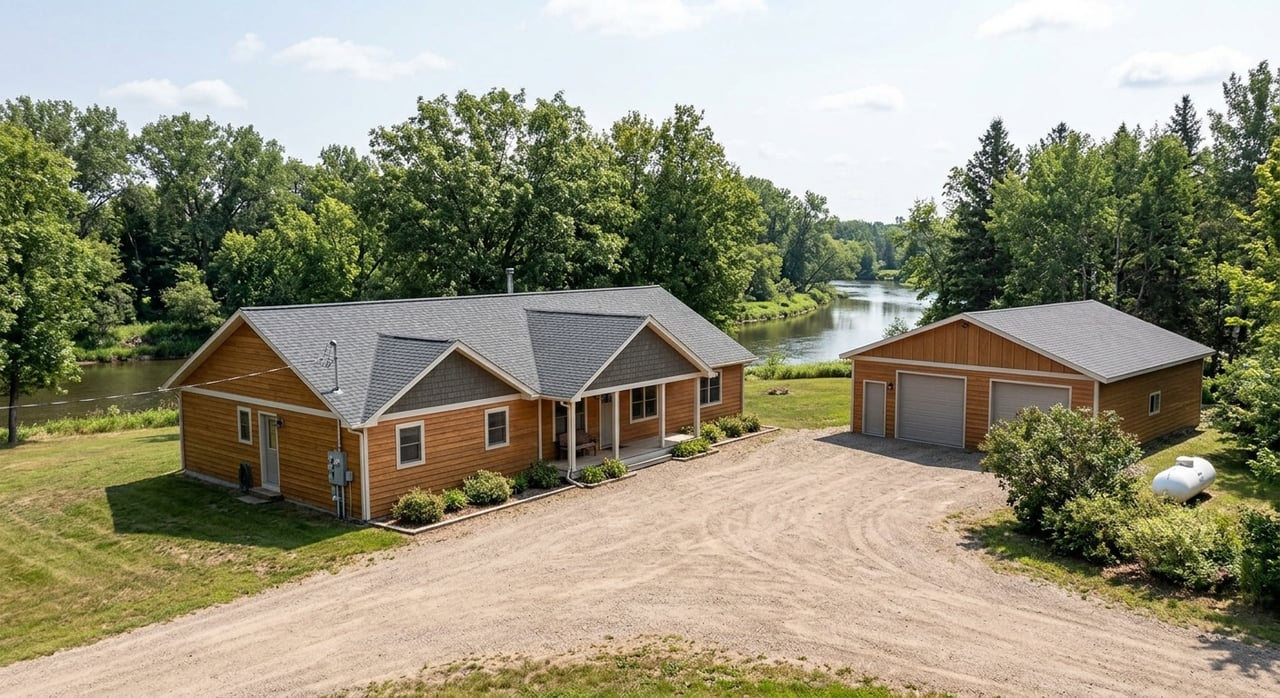
Buying In Orofino: Small‑Town Living By The Clearwater
May 21, 2026
May 21, 2026
Thinking about buying in Orofino? The appeal is easy to see. You get a small-town setting, quick access to the Clearwater River, and a lifestyle that leans heavily toward the outdoors. But buying here can look different from buying in Lewiston or Clarkston, especially when utilities, road access, and land conditions become part of the decision. This guide will help you understand what to look for so you can shop with more confidence. Let’s dive in.
Orofino is small by regional standards. The 2020 Census counted 2,656 residents in Orofino and 8,734 in Clearwater County, compared with 34,203 in Lewiston and 7,161 in Clarkston. That difference matters because your day-to-day experience here is shaped by a smaller service network and a slower pace.
For many buyers, that is exactly the point. Orofino offers a setting tied closely to the Clearwater River and outdoor recreation, with a more rural feel than the main Lewis-Clark Valley hubs. If you are coming from a busier area, it helps to adjust your expectations around driving, access, and property setup.
Orofino’s local identity is closely connected to recreation, municipal services, and land-use planning. For you as a buyer, that means the property itself is only part of the equation. The site, utilities, and access can be just as important as the number of bedrooms or the kitchen layout.
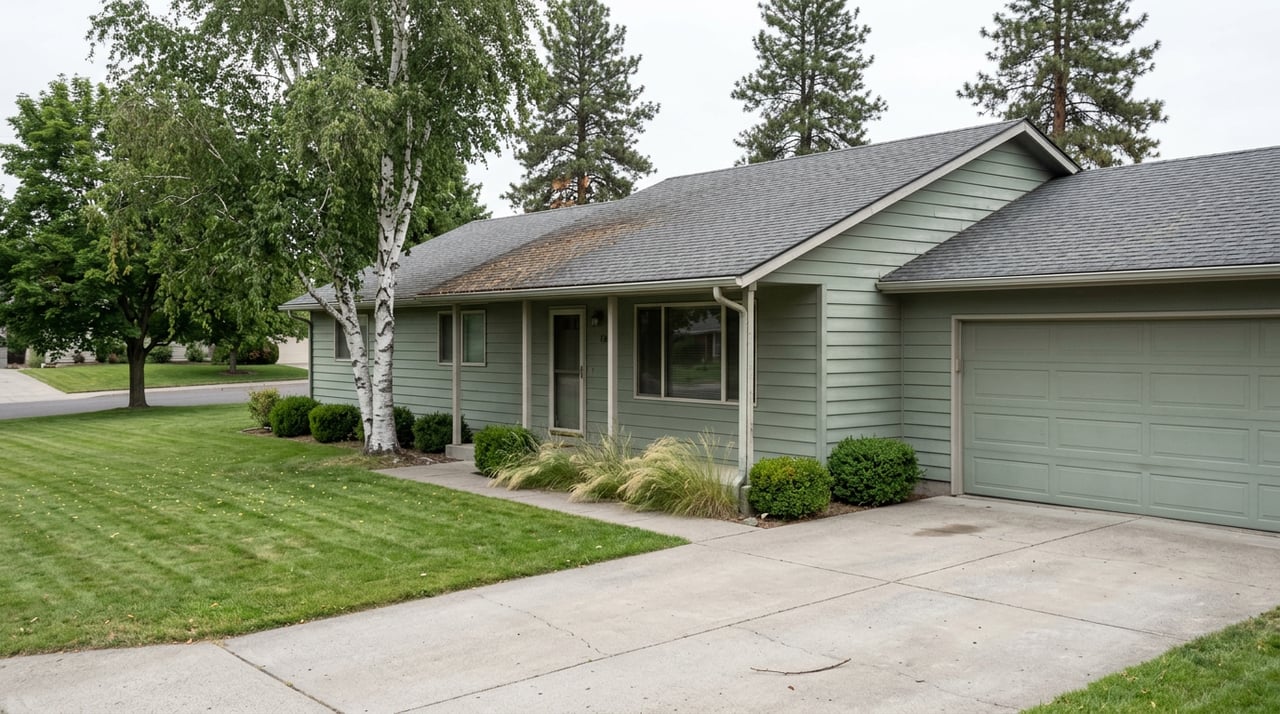
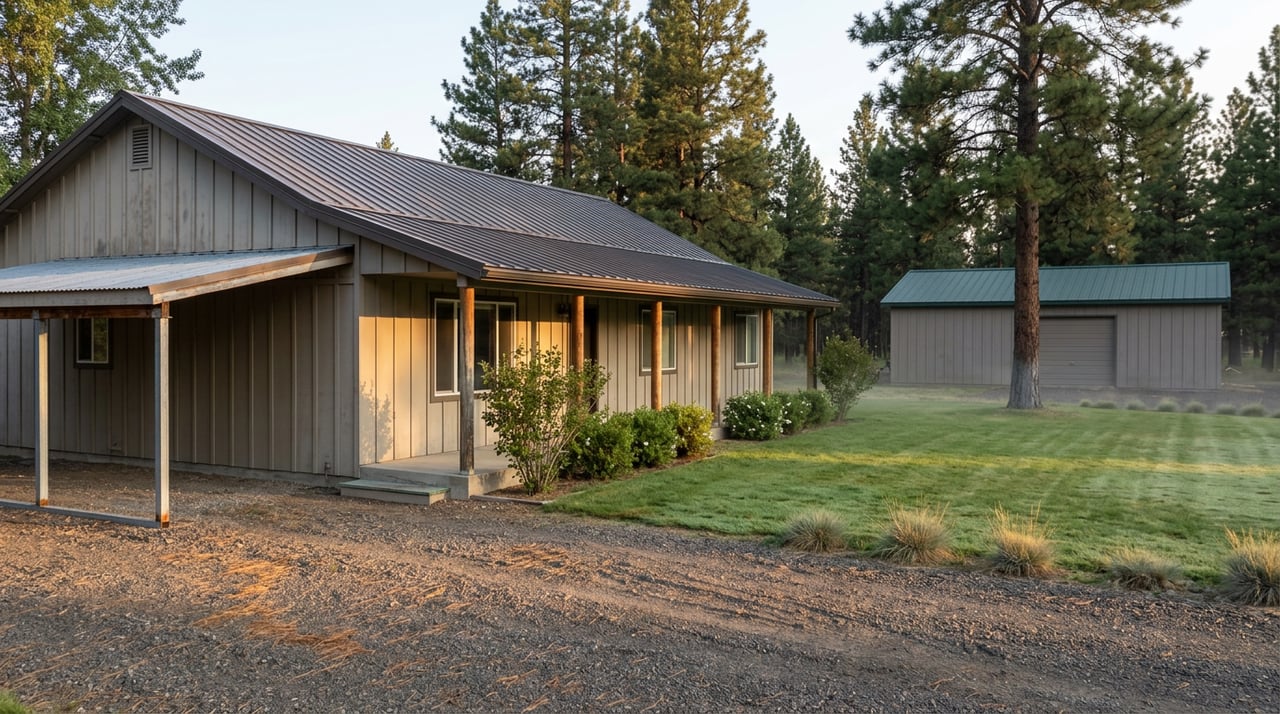
In town, you may find homes connected to city infrastructure. Outside city limits, the buying process often shifts toward rural due diligence. That can include confirming water sources, septic records, site layout, and how the property functions in different seasons.
One of the first questions to ask in Orofino is simple: is the property on city services, or does it rely on private systems? The answer shapes your inspections, records review, and future maintenance costs.
Orofino’s city water comes from the Clearwater River and is treated at a city plant built in 2014 using membrane filtration. The city also operates a wastewater plant and has a Building and Code Enforcement department that reviews plans, issues permits, and conducts inspections. For in-town properties, this can make the utility picture more straightforward.
If a home is within the city service area, that usually means fewer questions about private water and wastewater systems. You will still want to confirm service details, but the process can be more familiar for buyers used to in-town living.
This is especially helpful if you want a lower-maintenance setup. City service does not remove the need for inspections and due diligence, but it can reduce the number of rural property variables you need to manage.
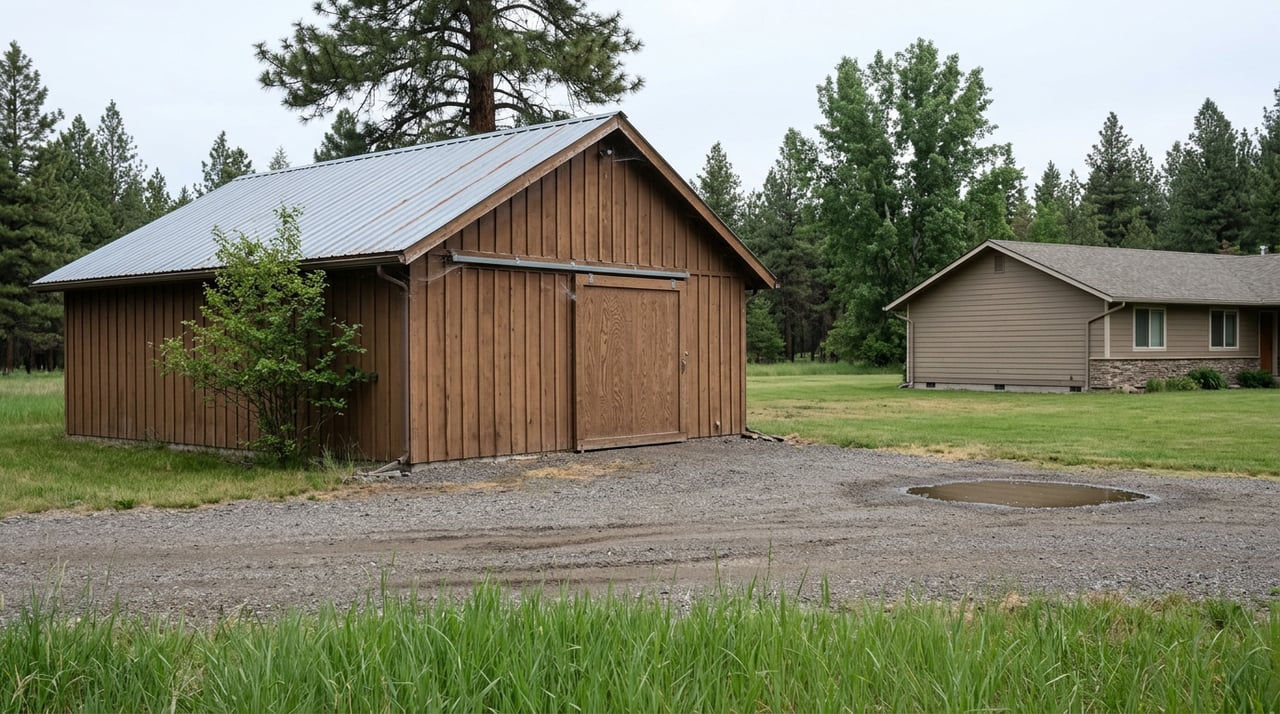
Outside city limits, many properties are more likely to rely on a private well and septic system. That is common in rural markets, but it also means you need to dig deeper before you buy.
Idaho DEQ notes that private wells are not regulated under the Safe Drinking Water Act, so owners are responsible for water safety. DEQ recommends annual testing for nitrate and bacteria. If a home has a private well, ask whether recent water test results are available.
For septic systems, DEQ says permits, site evaluation, and licensed installation are required. It also recommends pumping septic tanks every 3 to 5 years. If you are looking at an older home or acreage, it is smart to ask early for any septic permit or site evaluation on file.
In the Orofino area, land layout can affect what is possible on a property. The Clearwater County sewage permit application requires parcel details, water source information, and a plot plan showing wells, water lines, septic locations, streams, easements, cut banks, driveway, parking, and road access. That tells you a lot about how seriously site conditions are considered.
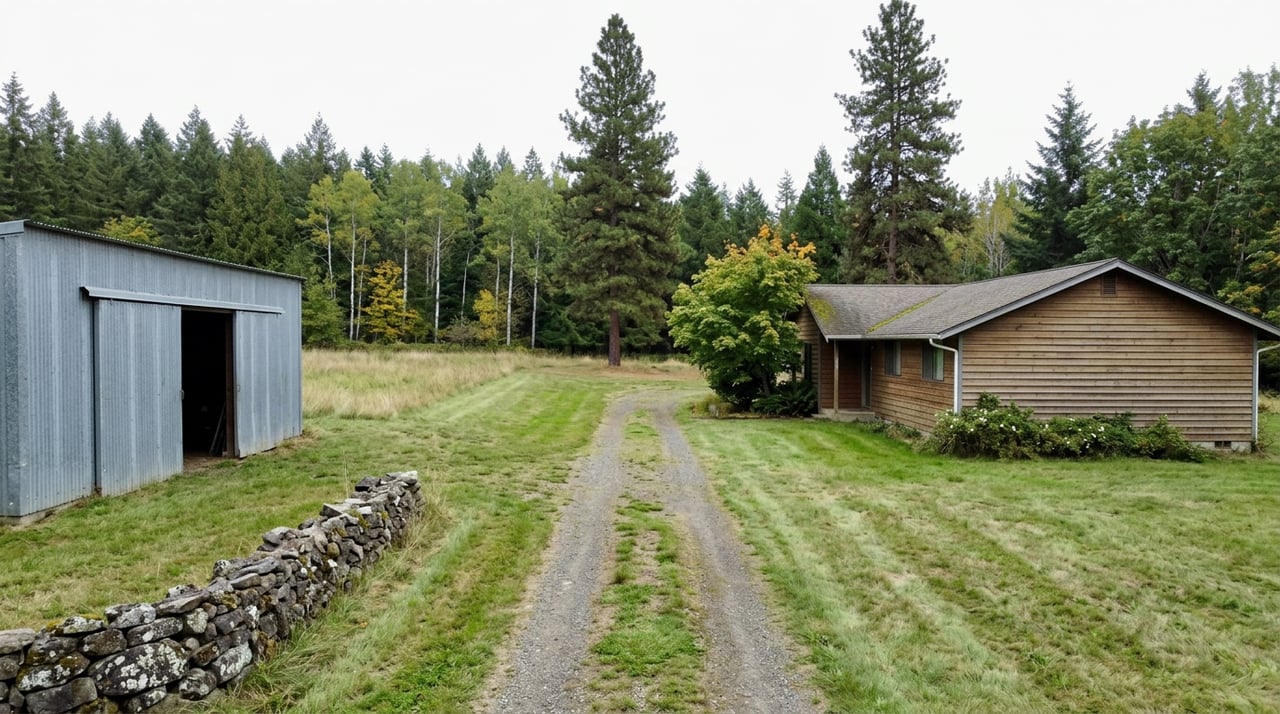
If you are shopping for acreage, river-adjacent property, or raw land, this matters even more. A parcel that looks great at first glance may still need extra review before you know what kind of system it can support.
Some sites need more than a standard approach. DEQ notes that shallow soils, coarse soils, shallow groundwater, or proximity to surface water can trigger a more detailed nutrient-pathogen review.
Some alternative wastewater systems may also require constant electricity plus annual operation and maintenance. That does not mean you should avoid these properties. It simply means you should understand the setup, the requirements, and the ongoing responsibilities before moving forward.
Outdoor access is one of Orofino’s biggest strengths, but road access is still a practical part of life here. A Forest Service travel planner describes US Highway 12 as a paved two-lane highway with winding stretches and limited passing opportunities.
That is not a problem for everyone, but it is something to think through honestly. If you commute regularly, make frequent service trips, or are used to shorter urban-style drives, everyday travel may feel different here. When you tour homes, it helps to think beyond the showing and picture your normal weekly routine.
For many buyers, Orofino’s lifestyle is the reason to look here in the first place. Dworshak Dam and Reservoir are about 5 miles from Orofino and support boating, fishing, hunting, camping, picnicking, geocaching, hiking, ATV riding, mountain biking, and wildlife watching.
Dworshak State Park adds more options, including camping, boating, fishing, swimming, hiking, waterskiing, and disc golf. The Nez Perce-Clearwater National Forests cover about 4 million acres, giving you broad access to public land and outdoor recreation.
If you want a home base near water, trails, and open space, Orofino offers a lot. The key is balancing that lifestyle value with the practical details of the specific property you choose.
If you are considering a property near the Clearwater River or other water-adjacent areas, flood diligence should be part of your early research. FEMA advises buyers to check the flood map and understand local floodplain rules.
In high-risk flood zones, flood insurance can be required when a mortgage is federally backed. In a market where river access is part of the appeal, this is not something to leave until late in the transaction. It is better to know early how flood risk could affect financing, insurance, and long-term ownership costs.
Before you write an offer on an Orofino property, try to get clear answers to a few core questions:
These questions can help you avoid surprises and compare properties more clearly. In Orofino, a home search often revolves around the land and systems just as much as the house itself.
Buying in Orofino can be a great fit if you want a quieter pace, strong outdoor access, and a property that feels connected to the Clearwater landscape. At the same time, it rewards buyers who pay attention to the practical side of ownership.
When you understand the difference between city services and rural systems, review site conditions early, and think realistically about access and driving, you put yourself in a stronger position. That kind of preparation helps you buy with fewer surprises and more peace of mind.
If you are thinking about a move in Orofino or anywhere around the Lewis-Clark Valley, Kiley Waldemarson can help you sort through the details and find a property that fits the way you want to live.
Stay up to date on the latest real estate trends.

I am committed to guiding you every step of the way—whether you're buying a home, selling a property, or securing a mortgage. Whatever your needs, I've got you covered.

909 Bryden Ave Lewiston, ID 83501