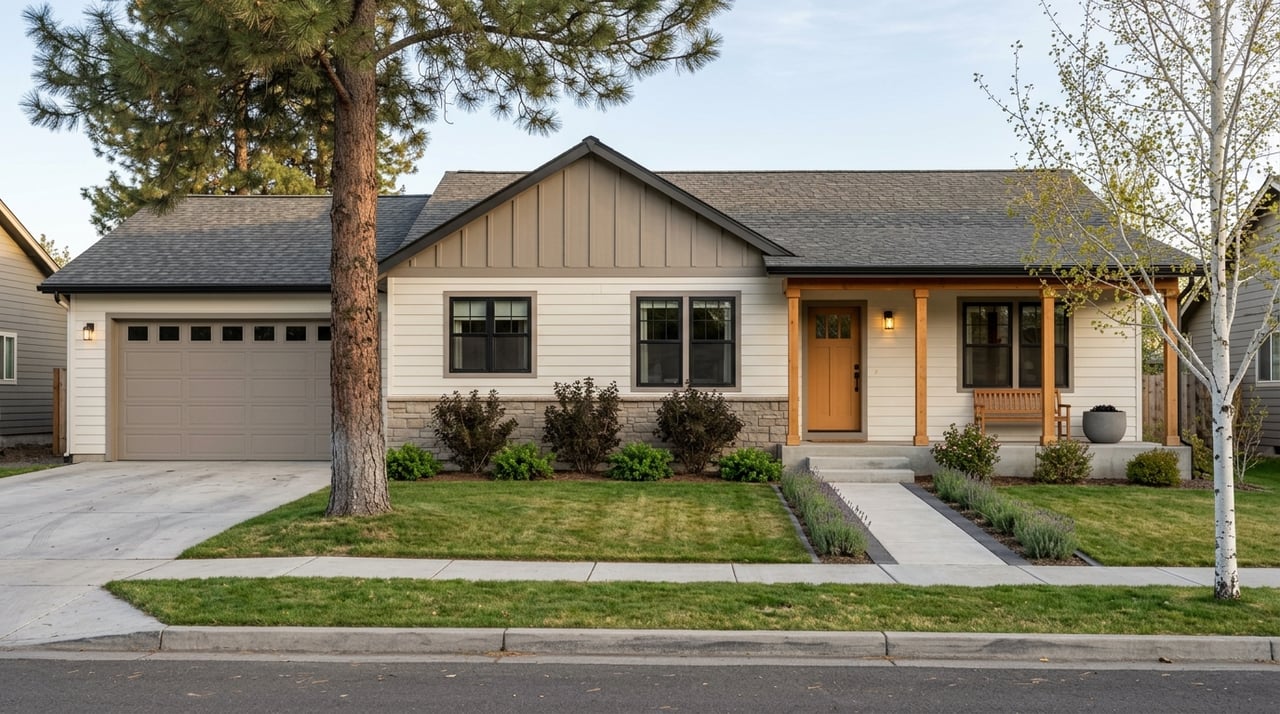
How To Choose The Right Lewiston Neighborhood
April 16, 2026
April 16, 2026
Choosing a neighborhood can feel harder than choosing the house itself. If you are searching in Lewiston, you are not looking at a huge metro where every area is 30 minutes apart, but you are comparing places with very different terrain, street patterns, park access, and day-to-day feel. This guide will help you sort through Lewiston’s main neighborhood areas, narrow your short list, and ask smarter questions before you buy. Let’s dive in.
Lewiston is a compact city with 34,693 residents across 17.32 square miles, and the average commute is just 15.3 minutes, according to the U.S. Census QuickFacts for Lewiston. That means your neighborhood choice is usually less about shaving off a long drive and more about how you want to live day to day.
In Lewiston, the biggest differences often come down to topography, lot layout, access points, parks, river proximity, and nearby services. Some areas feel more in-town and connected. Others feel more spread out, elevated, or edge-of-town.
Before you compare neighborhoods, think about how you want a normal week to work. The best area for you is usually the one that makes errands, recreation, and commuting feel easiest.
Ask yourself questions like these:
Lewiston Transit serves the Lewis-Clark Valley and crosses state lines to Clarkston, which can be useful if you want options beyond driving everywhere. The city notes this service through its Community Development information.
Lewiston’s parks plan divides the city into North Lewiston, Normal Hill, East Lewiston, Country Club, West Orchards, Central Orchards, East Orchards, and an Area of Impact, according to the city’s parks planning document. That official framework is helpful because it shows that neighborhood character really does change from one part of town to another.
The city’s zoning map and use zones also point to distinct land-use patterns, including the Normal Hill Heritage Overlay, North Lewiston Mixed-Use Development Zone, river-oriented areas, and a variety of residential zones. In simple terms, Lewiston offers several different ways to live within one relatively compact city.
If you want an in-town setting with easier access to services, Downtown and Normal Hill are strong places to start. The city describes this area as the historic downtown and adjacent residential area linking the river, library, downtown core, Pioneer Park, the hospital, and Lewis-Clark State College through its Opportunity Zone overview.
This part of Lewiston stands out for historic architecture, large trees, parkways, transit access, river views, and a more mixed-use environment. If your priority is a shorter errand radius and a more walkable-feeling, connected part of town, this area may fit your lifestyle well.
North Lewiston can make sense if outdoor access ranks high on your list. The city’s Parks & Open Space Master Plan update notes parks and recreation assets here including Pepsi Park, Clearwater Park, Rose Garden, Penny’s Memorial Dog Park, and Steelhead Boat Ramp.
The zoning framework also identifies a North Lewiston Mixed-Use Development Zone. For buyers, that can signal a river-adjacent area with recreation access and a setting that may feel less purely residential than some parts of the Orchards.
If you want a smaller residential pocket with park or trail access, East Lewiston and Country Club are worth comparing. The parks plan identifies Sunset Park and East End Park in East Lewiston, while the Country Club area includes Syringa Park, the pedestrian underpass, and the Levy Pathway System through the same city parks update.
These areas can appeal to buyers who want a residential setting without feeling too far removed from the rest of town. If you are deciding between them, your best next step is often to compare how close each location feels to the routes, parks, and pathways you expect to use most.
The Orchards are one of Lewiston’s most distinct residential areas. City material explains that the Orchards developed largely as an unincorporated area before annexation in 1969, sit high above the rest of Lewiston on a plateau, and are primarily made up of single-family housing with some multifamily pockets and a commercial strip along Thain Road in the Existing Conditions Report.
For many buyers, the Orchards stand out because of larger lots, a more spread-out residential pattern, and a different street layout than the city core. The same report notes concentrated access on a limited number of major routes, along with narrow rights-of-way and some one-way streets that reflect how the area evolved over time.
If you are shopping in the Orchards, it helps to know that this area is not built like the older in-town grid. The city’s standards update includes a separate Orchard Residential Street detail and a Typical Rural Roadway detail for the impact area, reinforcing that the Orchards and city edge have different physical patterns than core neighborhoods.
Even smaller city details point to this difference. Lewiston’s street-sweeping information notes increased sweeping in the old Orchard area, which is another clue that roadway geometry and maintenance needs differ here.
East Orchards also currently lacks a neighborhood park in the parks plan. If nearby park access matters to you, that is something to factor into your search and compare with your overall priority list.
Some buyers want a more semi-rural feel, especially near the edges of the Orchards or outside the core city pattern. If that sounds like you, slow down and verify exactly where a property sits.
Lewiston’s planning system distinguishes an Area of Impact, and Nez Perce County maintains an Areas of City Impact section in its comprehensive plan. For buyers, that means it is smart to ask whether a home is inside city limits, at the Orchard edge, or within the broader impact area, because road patterns and surrounding land-use context can differ.
When you tour homes in Lewiston, try to compare more than the house itself. A property can look great online but feel very different once you experience the street pattern, elevation, and access in person.
Use this checklist as you narrow your options:
If you are not sure where to begin, use this quick logic:
The right Lewiston neighborhood is the one that fits how you actually live. For some buyers, that means staying close to downtown and daily services. For others, it means more lot space, nearby recreation, or an edge-of-town setting with a different feel.
As you compare areas, focus on the details that shape everyday life: access, terrain, parks, road layout, and how connected you want to feel to the rest of the city. If you want local guidance as you sort through Lewiston’s different neighborhood options, Kiley Waldemarson can help you match your goals with the right part of town.
Stay up to date on the latest real estate trends.

I am committed to guiding you every step of the way—whether you're buying a home, selling a property, or securing a mortgage. Whatever your needs, I've got you covered.

909 Bryden Ave Lewiston, ID 83501