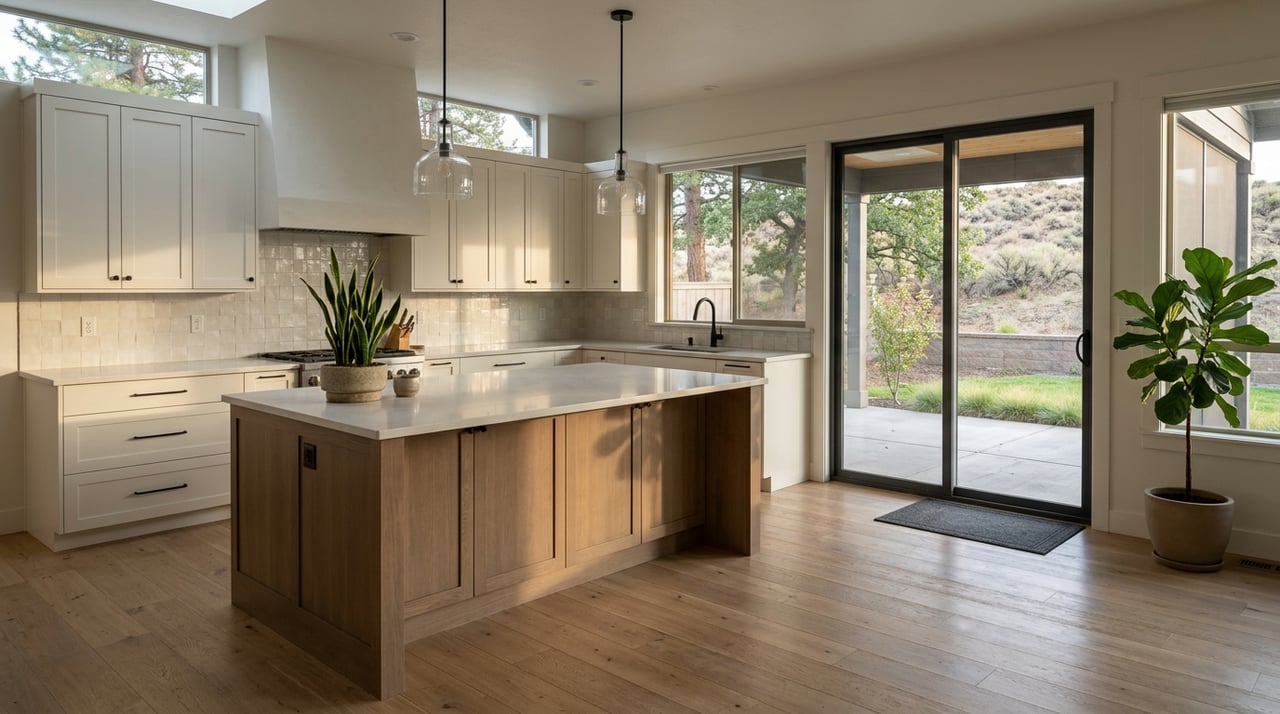
Lewiston vs Clarkston Comparison: Which Side Suits You?
April 23, 2026
April 23, 2026
Trying to choose between Lewiston and Clarkston? You are not alone. Many buyers love the Lewis-Clark Valley lifestyle but get stuck on one big question: which side of the state line makes more sense for your daily life, budget, and long-term plans? The good news is that both cities offer short commutes, strong outdoor access, and close proximity to the same river-centered amenities. The key is understanding where the differences matter most for you. Let’s dive in.
When you compare Lewiston and Clarkston, distance is usually not the deciding factor. The Lewis-Clark Valley Metropolitan Planning Organization handles regional transportation planning for both communities, which reflects how connected the two sides are.
That means your choice often comes down to everyday logistics. Think about where you work, which bridges you may use most often, and how often you want to cross the river as part of your normal routine.
In the Lewis-Clark Valley, your drive may feel more influenced by bridge access than by mileage alone. Local and regional transportation sources regularly point to Memorial Bridge, Southway Avenue, Snake River Avenue, and the Blue Bridge corridor as key connections in Lewiston, while WSDOT identifies the US 12 Snake River Bridge in Clarkston as a movable bridge.
If your schedule depends on predictable routes, it helps to pay attention to which side keeps you closer to your most common destinations. A home that looks similar on paper can feel very different in practice depending on your preferred bridge corridor.
By the numbers, commute times are relatively short in both cities. Census QuickFacts reports an average commute of 15.3 minutes in Lewiston and 12.6 minutes in Clarkston.
That is a small enough difference that many buyers will care more about route simplicity than total minutes. If you want to reduce driving stress, it is smart to focus on the path you will actually use most often.
For many buyers, budget is the biggest factor in the Lewiston versus Clarkston decision. Based on current data, Clarkston tends to come in lower on average, but the gap depends on which housing measure you look at.
If you want a larger city and a bigger pool of homes to consider, Lewiston may appeal more. If you want lower typical home values and are comfortable with a smaller city feel, Clarkston is worth a serious look.
A Zillow market snapshot for Lewiston dated March 31, 2026 shows a typical home value of $382,188, with 144 homes for sale, a median list price of $421,300, and a median time to pending of 50 days.
Census QuickFacts for Lewiston also reports a median owner-occupied home value of $333,700, a median gross rent of $1,027, and an owner-occupied housing rate of 67.5%.
That same Zillow snapshot shows Clarkston with a typical home value of $339,607, 96 homes for sale, a median list price of $426,333, and a median time to pending of 55 days.
Census QuickFacts reports Clarkston’s median owner-occupied home value at $253,500, median gross rent at $917, and owner-occupied housing rate at 55.2%.
Taken together, the data suggest Clarkston is generally the lower-cost side on average. Lewiston, however, is the larger city, with an estimated 2024 population of 34,693 compared with 7,138 in Clarkston.
That size difference may matter if you want more choices within city limits. A larger city does not automatically mean a better fit, but it can mean a broader range of neighborhoods, home styles, and price points to explore.
One of the biggest practical differences between Lewiston and Clarkston is not visible from the street. It is the state line.
If you are deciding where to live, taxes can affect your monthly budget, your long-term ownership costs, and even your day-to-day spending patterns.
According to the Washington Department of Revenue, Washington has no state personal income tax. Idaho’s individual income tax rate for 2025 returns is 5.3%.
For some buyers, that is a meaningful part of the decision. If your income structure makes tax planning an important part of your move, the state line may have a bigger impact than home price alone.
Sales tax works the other way. Idaho’s state sales tax rate is 6%, while Clarkston’s combined sales and use tax rate is 8.5% effective April 1 through June 30, 2026.
In other words, the overall cost picture is not as simple as saying one side is always cheaper. The better question is how your income, spending habits, and home budget fit together.
If you are moving to the Lewis-Clark Valley for scenery, river access, and time outside, both Lewiston and Clarkston deliver. In many ways, the outdoor setting is shared.
That means lifestyle decisions often come down to which parks, trails, and river access points you want closest to home.
Lewiston has a strong riverfront identity. The city says its levee pathways follow the rivers for walking, jogging, and biking, and the system is identified by the city and the Corps as the Snake and Clearwater Rivers National Recreation Trail.
On the Lewiston side, Hells Gate State Park offers 960 acres, more than 80 campsites, a marina, a boat launch, trails, and the Lewis and Clark Discovery Center. Clearwater Park near Memorial Bridge also provides year-round day-use access, picnic areas, fishing opportunities, and other recreation amenities.
Clarkston also offers strong access to the river. The city’s parks department highlights a Snake River greenbelt with several miles of paved pathways, grassy spaces, shade trees, and access to area parks.
Notable Clarkston recreation areas include Beachview Park, Gateway Park, Granite Lake Park, and Swallows Park, which includes a four-lane boat launch. If your weekends revolve around walking paths, boating, or easy river access, Clarkston has plenty to offer.
No matter which side you choose, you are still living in the same scenic valley. The National Park Service’s Confluence Overlook, about 8 miles north of Lewiston on US-95, looks over the Snake and Clearwater confluence, Hells Canyon, and the surrounding landscape.
That is a good reminder that many of the area’s best natural features are regional, not city-specific. Your home address may change, but the broader outdoor lifestyle is one of the biggest benefits on both sides.
If you are moving from outside the area, winter maintenance may be a detail you do not think about right away. Still, it can shape how comfortable you feel with a certain route or location.
Lewiston’s winter storm response page notes that Idaho Transportation Department clears highways through the city, the county handles county roads, and the Corps manages the levee pathway system. That division of responsibility is helpful to know if winter drivability is high on your list.
Lewiston may be the better fit if you want the larger city, more in-town housing options, and a home base on the Idaho side of the valley. Clarkston may be the better fit if you want lower typical home values on average, a smaller city setting, and Washington-side ownership.
For many buyers, this choice is less about which city is objectively better and more about which one works best for your routine. When you compare bridge access, housing budget, taxes, and outdoor habits together, the answer usually becomes much clearer.
If you are weighing Lewiston against Clarkston, working with someone who knows both sides of the state line can make the process much easier. Kiley Waldemarson helps buyers navigate the Lewis-Clark Valley with practical, local guidance so you can choose a home that truly fits how you live.
Stay up to date on the latest real estate trends.
I am committed to guiding you every step of the way—whether you're buying a home, selling a property, or securing a mortgage. Whatever your needs, I've got you covered.
909 Bryden Ave Lewiston, ID 83501