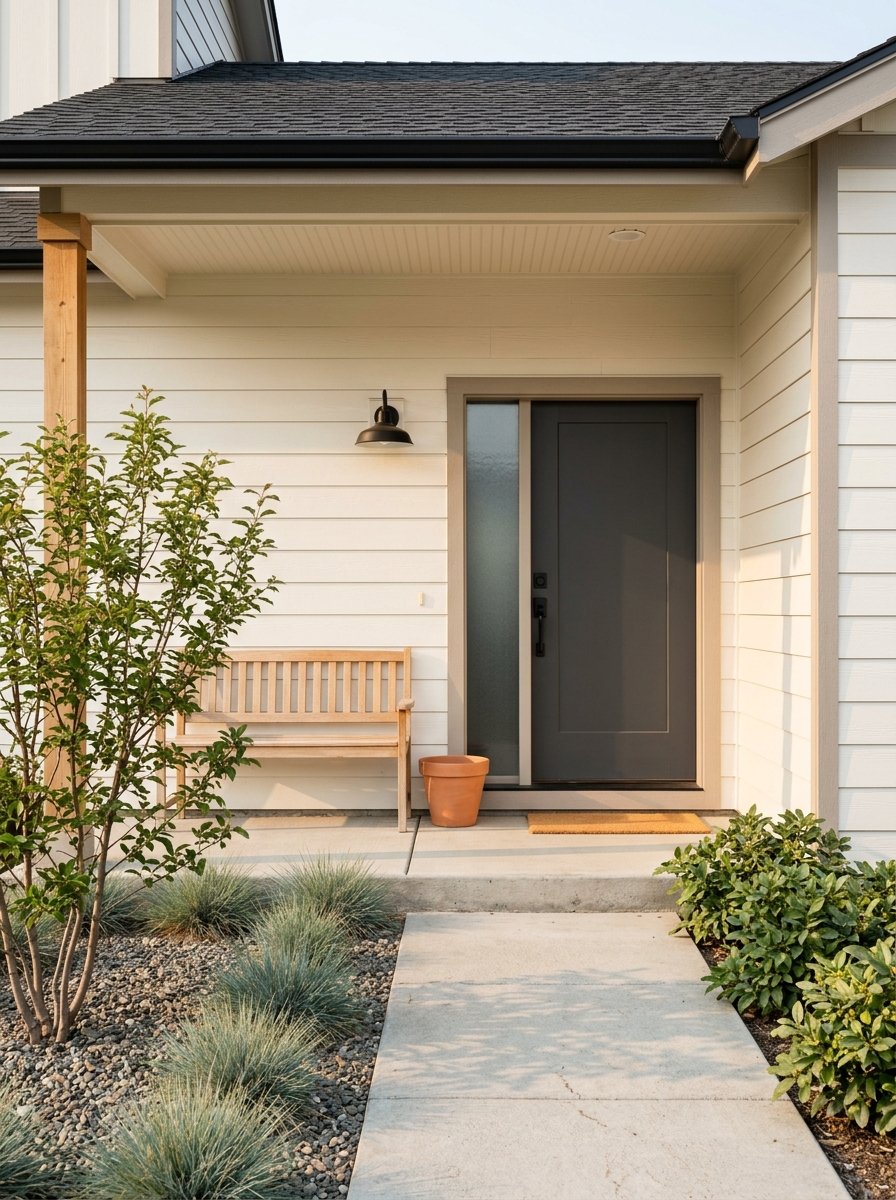
Clarkston WA First-Time Home Buyer Guide
May 7, 2026
May 7, 2026
Buying your first home can feel exciting right up until you start looking at prices, loans, inspections, and all the little details that come with making an offer. If Clarkston is on your radar, you are probably wondering what the market feels like, what homes are actually available, and how to plan your budget with confidence. This guide will help you understand what first-time buyers should know about Clarkston, from local price ranges to closing steps, so you can move forward with a clearer plan. Let’s dive in.
If you are buying in Clarkston, one of the first things to know is that the market is not moving at a breakneck pace. Local data points to homes taking around 53 to 54 days to sell on average, and Realtor.com has described Clarkston as a buyer’s market. That can give you a little breathing room compared with faster markets, but it does not mean every seller will accept a deep discount.
The price picture also depends on which number you are looking at. Redfin reported a March 2026 median sale price of $271,790, while Zillow reported an average home value of $339,607 and a median list price of $426,333. Realtor.com reported a median listing price of $426,950, which shows why it is important to understand the difference between sold prices, home values, and list prices when you set your budget.
In simple terms, Clarkston gives first-time buyers a market where negotiation may be possible, but realistic expectations still matter. Homes were reported as selling for about 100% of asking price on average, so a thoughtful offer and strong financing can still make a big difference.
One of the biggest surprises for first-time buyers is that "Clarkston" does not always mean one price point. Realtor.com neighborhood snapshots show a wide spread across different parts of the area. Downtown Lewiston-Clarkston was around $249,900, while Clarkston Heights and West Clarkston-Highland were both near $430,000, and Vineland was about $539,900.
That range matters because it can shape your entire search. If your budget is tighter, you may focus on more in-town options or smaller properties. If you have more flexibility, you may be able to look at areas with newer homes, larger lots, or different lifestyle features.
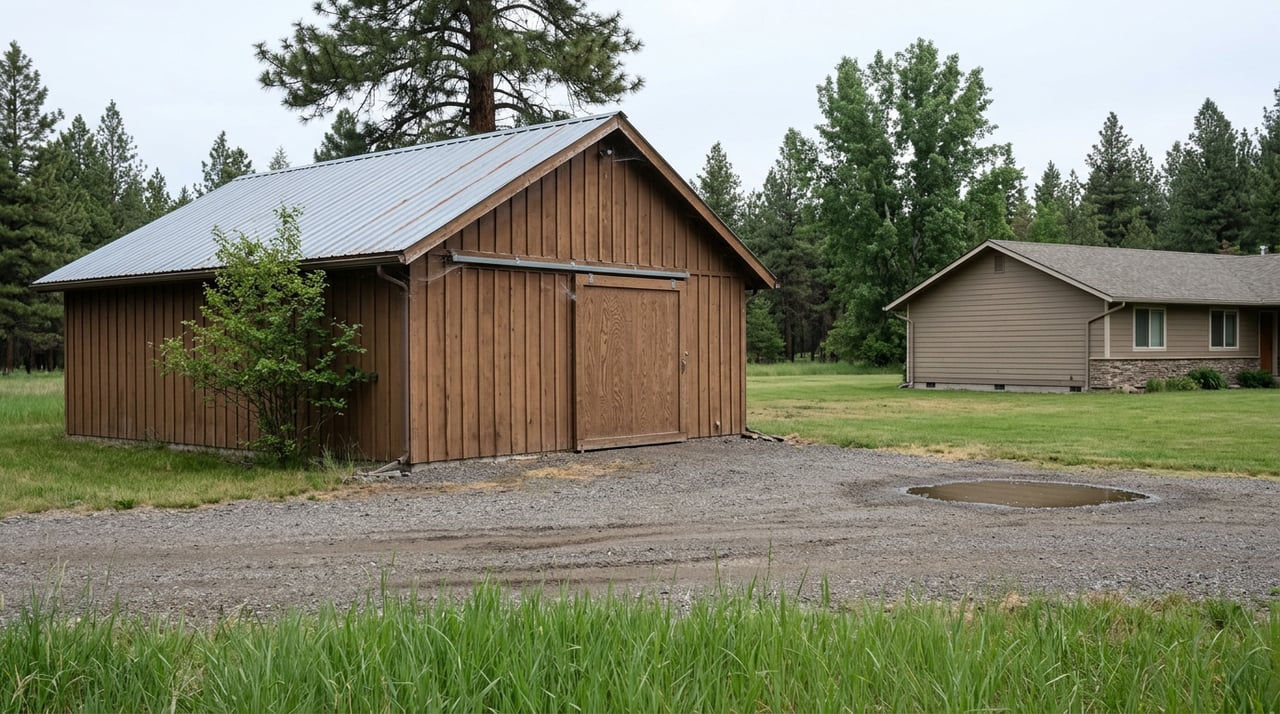
Clarkston has a mixed housing stock, which can be a real advantage if you are open-minded. Sample Asotin County property records show everything from a 1900-era in-town home on 2nd Street to a condo unit from 1983 on Riverview Boulevard, a 1994 modular home on 10th Street, a duplex on 6th Avenue, and a larger parcel with a house and shop on Grandview Drive.
For you as a first-time buyer, that means your options may include:
This variety can help you match a home to your goals. You may decide that a lower-maintenance condo fits your lifestyle, or you may want an older home with character and a lower entry price. Some buyers may even find a property with extra land or shop space, but those homes can come with different upkeep needs.
Before you start touring homes, it helps to build a budget that goes beyond the purchase price. The Washington Homeownership Resource Center recommends keeping your monthly housing payment, including taxes, insurance, and HOA dues, at 28% or less of your gross monthly income. It also recommends keeping total debt at 36% or less, and notes that debt-to-income ratios above 43% make approval unlikely.
That means your target home price should be based on your full monthly picture, not just what a lender says you might qualify for. A comfortable payment can leave room for repairs, moving costs, and normal life expenses after closing.
A lot of first-time buyers think they need 20% down, but that is not always the case. The Washington Homeownership Resource Center says many buyers put about 6% down on average. It also notes that FHA loans can require 3.5% down, while USDA and VA loans may require no down payment.
That can make homeownership feel more reachable, especially if you have steady income but have not built a huge savings account yet. The key is to look at the full cost of buying, not just the down payment.
Closing costs usually run about 2% to 5% of the purchase price, not including your down payment. On top of that, the Washington Homeownership Resource Center recommends setting aside 1% to 3% of a home’s value each year for maintenance and keeping 3 to 6 months of living expenses in reserve for emergencies.
That advice is especially helpful in Clarkston, where some homes are older and may need more upkeep over time. Buying the home is one step. Keeping it affordable after move-in is just as important.
Property taxes are an important part of your monthly housing cost, and in Asotin County the timing matters too. The county bills property taxes once a year. If the bill is more than $50, it can be split into two payments, with half due April 30 and half due October 31.
Because taxes are based on assessed value and the taxing district, your escrow estimate should be built from local numbers rather than from list price alone. That is one reason first-time buyers should look closely at the estimated monthly payment before making an offer.
If saving for a home feels like the biggest hurdle, you may have more options than you think. Washington’s Department of Commerce says its Homeownership Capital Program can provide cash at closing for eligible low-income first-time homebuyers to help with down payment and or closing costs. The Washington Homeownership Resource Center also notes that some Washington down-payment assistance programs can be layered together.
Homebuyer education can also be part of the process. The Washington Homeownership Resource Center says homebuyer classes help buyers understand the process and may be required for some assistance programs. Attendees receive a completion certificate, which can be useful if you are pursuing one of those programs.
A home can look great online and still feel very different once you live there day to day. Clarkston is part of the Lewiston, Idaho-Washington metro area along the Snake River corridor, and local planning documents point to Highway 12 and several river crossings as key travel routes. Transit materials also note public transportation links between Clarkston, Clarkston Heights, and Lewiston.
For you, that means commute patterns and daily errands may depend on when and how often you cross the river. It is smart to test the drive at the times you would actually travel, whether that is morning work traffic, school pickup time, or weekend errands.
Clarkston also offers easy access to outdoor spaces that shape how the city feels. The city’s parks information highlights a greenbelt along the Snake River with several miles of paved pathways, along with Beachview, Gateway, Granite Lake, and Swallows Park. Swallows Park includes a riverfront setting, boat launch, picnic areas, shelters, barbecues, and playground areas.
If outdoor access is part of how you want to live, this can be a meaningful part of your home search. A home’s location is not just about the house itself. It is also about the routines and spaces you will actually use.
Once you have your budget and target areas, the process becomes much easier to manage if you tackle it step by step. A clear plan can reduce stress and help you act quickly when the right home comes up.
The Consumer Financial Protection Bureau recommends getting preapproved once you are serious about shopping. A preapproval letter is not a guaranteed loan, but sellers often require it, and it can help you understand your true price range. It also usually expires in 30 to 60 days, so timing matters.
Getting preapproved early can also uncover credit or documentation issues before you are under pressure. That gives you time to fix problems instead of scrambling after you find a home you love.
Because Clarkston includes a wide range of home types and price points, it helps to decide what matters most to you. You might weigh things like:
When you know your top priorities, it becomes easier to compare homes without getting overwhelmed.
After your offer is accepted, schedule the home inspection as soon as possible. The Consumer Financial Protection Bureau notes that a home inspection is different from an appraisal, and if your contract is contingent on a satisfactory inspection, you may be able to cancel without penalty if major issues come up.
This is especially important if you are buying an older home, a duplex-style property, or a home with features like outbuildings or added space. The sooner you understand the condition of the property, the better you can make decisions.
Before closing, you will also want to complete a final walk-through. This gives you a chance to confirm the property’s condition before you sign. Your lender must deliver the Closing Disclosure at least three business days before closing, so you will have time to review your final loan terms and costs.
That review period matters. For a first-time buyer, it is one more chance to ask questions and make sure the numbers match what you expected.
Clarkston can be a smart place to begin your homeownership journey if you go in with a realistic budget, local market context, and a clear process. The area offers a slower pace than many markets, a wide mix of property types, and access to both in-town convenience and outdoor amenities. It also helps to have someone in your corner who understands how the Lewis-Clark Valley works across both everyday lifestyle patterns and transaction details.
If you are thinking about buying your first home in Clarkston, working with a local guide can make the process feel much more manageable. When you are ready to explore neighborhoods, compare home types, and build a plan that fits your budget, connect with Kiley Waldemarson.
Stay up to date on the latest real estate trends.
I am committed to guiding you every step of the way—whether you're buying a home, selling a property, or securing a mortgage. Whatever your needs, I've got you covered.
909 Bryden Ave Lewiston, ID 83501