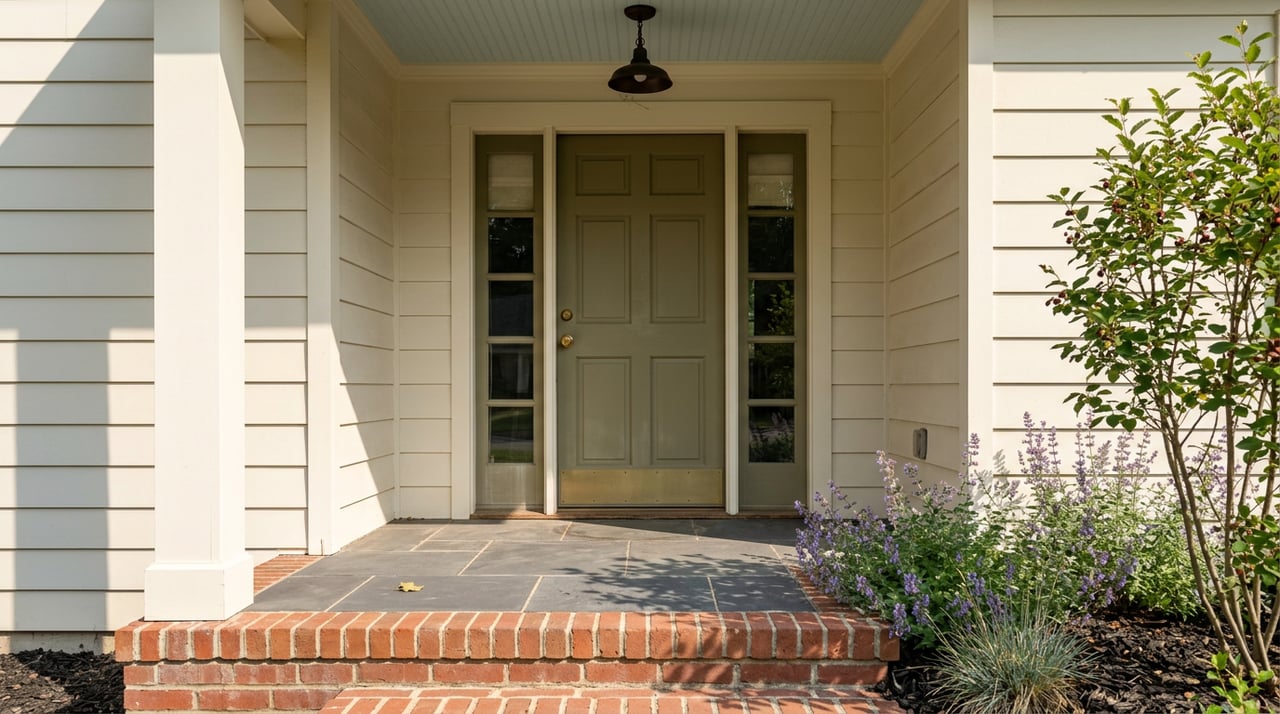
Moscow Idaho Housing Market Fall 2026: Timing Matters
August 6, 2026
August 6, 2026
Pull up Moscow, Idaho on three real estate portals this week and you will get three different markets. Zillow puts the average value at $476,087, up 2.6% year over year, with homes going to pending in around 13 days. Redfin reports a February 2026 median of $455K, up 3.5% year over year, with homes sitting 46 days on the market and only 8 sales that month. A third portal shows a very different late-summer picture, with a much higher median and more than a hundred sales in a single month.
The instinct is to average them. The better move is to ask why they disagree. In Moscow, that disagreement is the story.
| Source snapshot | Median or average | Days to sell | Sales that month |
|---|---|---|---|
| Zillow ZHVI, updated June 30, 2026 | $476,087 | ~13 to pending | not reported |
| Redfin, February 2026 | $455,000 | 46 | 8 |
| Third-party MLS aggregator, August 2025 | $535,000 | 70 | 102 |
Three portals, three medians, and a sales count that swings from single digits in winter to triple digits in late summer. That is not noise. That is a market with a heartbeat, and the heartbeat is set by an institution that sits three blocks off Main Street.
The University of Idaho's Fall 2026 semester begins on August 24, 2026, with final examinations scheduled December 14 through December 18, 2026 and the Spring 2027 semester beginning January 13, 2027. Those four dates do more to shape Moscow's for-sale market than the Federal Reserve does.
Here is why. Renters occupy 59% of Moscow real estate, filling 5,715 units, while homeowners live in 4,036 properties. When the majority of housing turns over on a lease that ends in July or August, everything else in town has to work around it. Move-in demand pulls a wave of small landlords and owner-occupier converts through the market in June, July, and August. Then it goes quiet. A December closing in Moscow is a very different transaction from an August closing, even on the same street.
The mortgage rate sets your monthly payment. The academic calendar sets your negotiating position.
A single median price presumes a single market. Moscow has at least three, and they respond to that calendar at different speeds.
This is where the calendar bites hardest. Homes here trade partly as rentals and partly as small-family owner-occupied properties, and the buyer pool is thick with investors sizing the property against a lease that has to start in mid-August. A house that lists in April can attract multiple offers. The same house listed in October waits for a narrower slice of buyers who are not tied to the semester at all. That is a real part of the Redfin-versus-summer-portal gap.
Farther from campus, buyer behavior looks more like any other small Idaho town. Move-up buyers, downsizers, and families relocating for jobs in healthcare, engineering, or agriculture drive most closings. Employment growth in Idaho is expected to remain steady in 2026, particularly in technology, healthcare, manufacturing, and logistics, and Moscow's professional labor pool leans in those directions. Prices here look more like the ZHVI number than the August spike, and homes here are the ones most likely to sit through a slow winter without dropping in price.
Push out toward the county line and the market flips again. Rolling wheat ground, small acreage properties, and rural home sites price on a different logic entirely, closer to what a Latah County buyer would pay for land use, shop space, and view. These properties do not care about August 24. They care about weather, road access, and whether a well test happens before the ground freezes.
If you are buying in Moscow this year, the calendar quietly forces you into one of two windows.
The friction most out-of-town buyers miss shows up between those two windows. If you are under contract in late July on a near-campus property with a tenant in place, your inspection schedule and your rescission window will collide with that tenant's move-out. Sellers who have not thought this through end up granting repair credits they did not need to grant, because they cannot get a contractor onsite before the buyer's timeline expires. If you are the buyer, that is your leverage. If you are the seller, that is your warning.
Moscow's May 2026 average listing price of $722,411 reported through the Realtor.com metropolitan series versus the sub-$500K medians reported by Zillow and Redfin is the same story from a different angle. The listing average is dragged up by acreage and higher-priced Palouse properties that sit longer. The sale medians reflect the shorter, denser churn near campus and on family streets. Same town, two different pricing conversations.
None of this appears on the price-per-square-foot line at the top of a listing. It appears in the timing.
The reason the medians disagree is that each portal is measuring a different slice of the same calendar. Zillow's 13-day pending figure is a spring and summer story. Redfin's 46-day figure is a winter story. The August triple-digit sales month is the compressed rush that follows finals week and precedes move-in. A buyer who reads any single one of those numbers as "the Moscow market" is going to price wrong.
The practical version of the thesis is short. In Moscow, timing is not a tactic layered on top of price. Timing is the price. Choose your window before you choose your property, and the property you can actually afford will look different than it did on the portal.
If you are thinking through a Moscow purchase or sale and want a read on which window fits your situation, or a valuation that reflects the season you are actually listing in rather than a year-round average, reach out to Kiley Waldemarson or use the free home valuation tool on the site to start the conversation.
Stay up to date on the latest real estate trends.

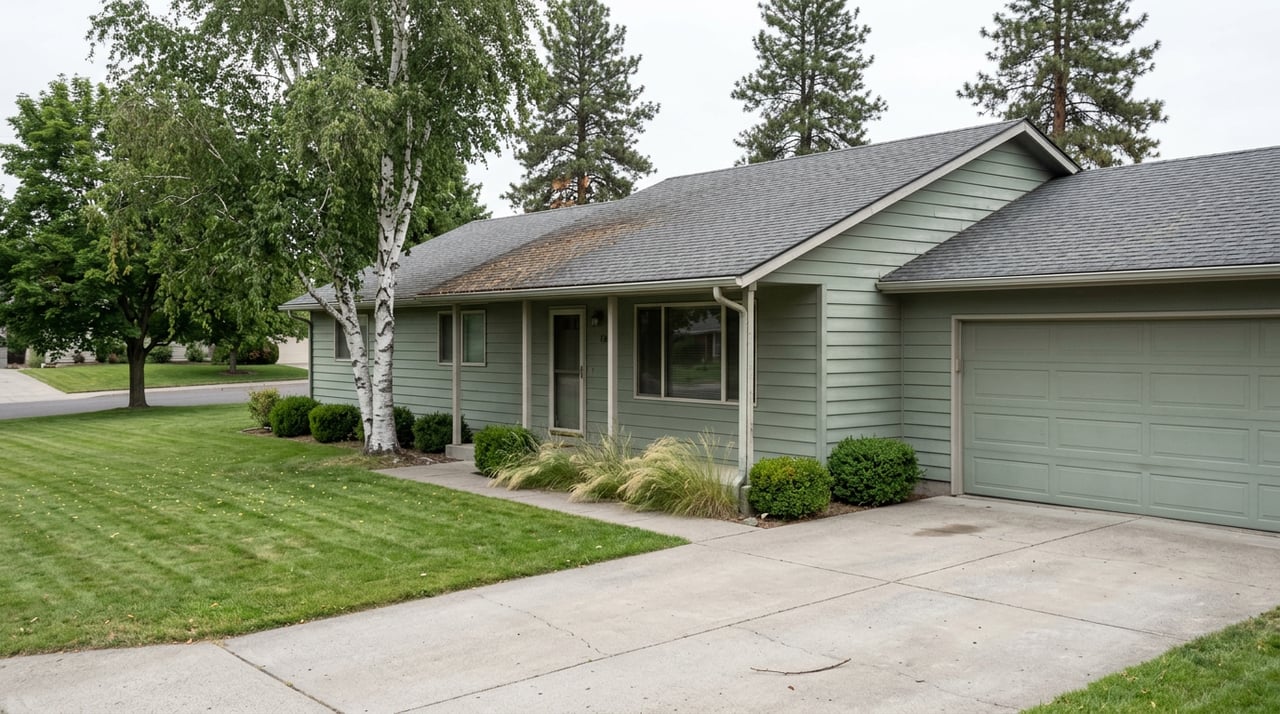
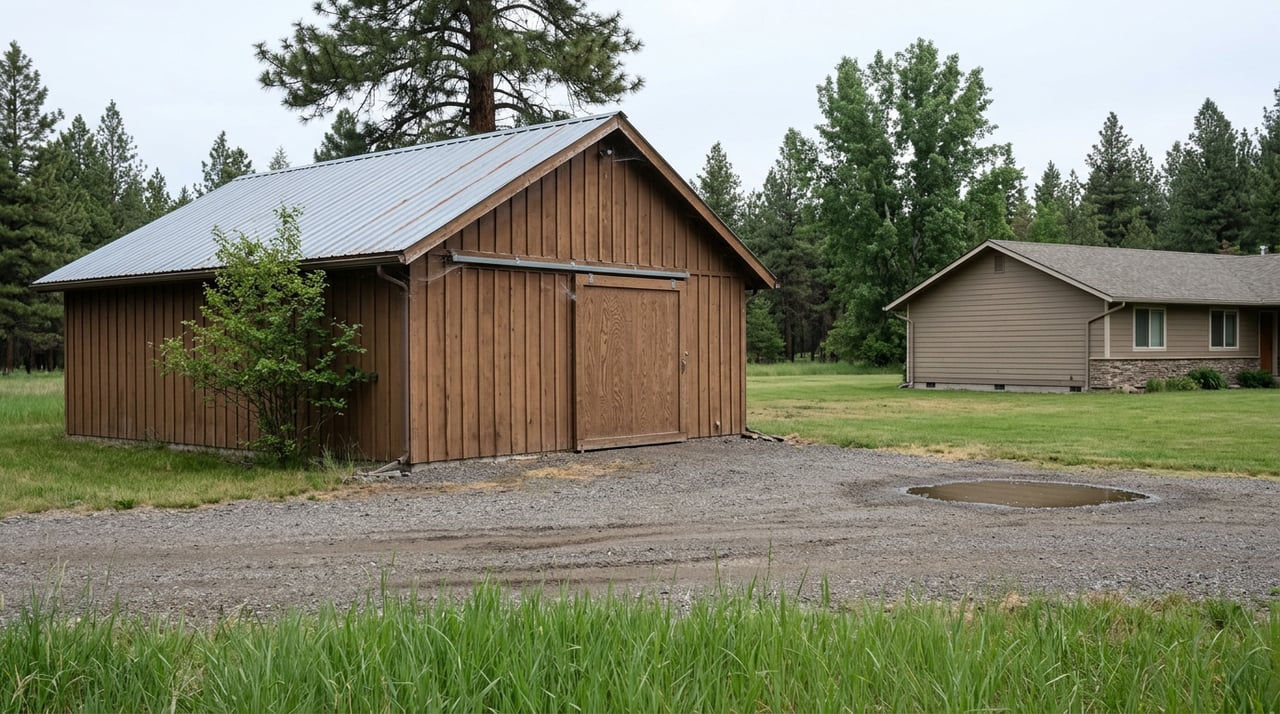
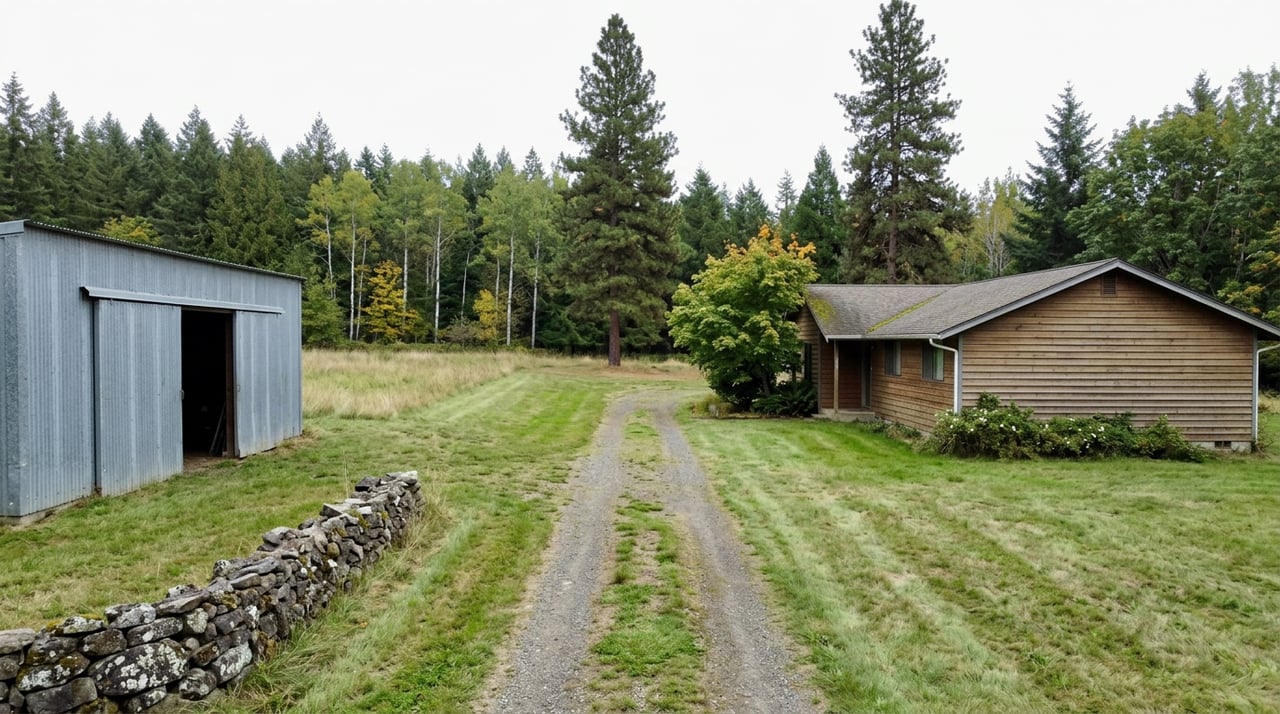


I am committed to guiding you every step of the way—whether you're buying a home, selling a property, or securing a mortgage. Whatever your needs, I've got you covered.
909 Bryden Ave Lewiston, ID 83501