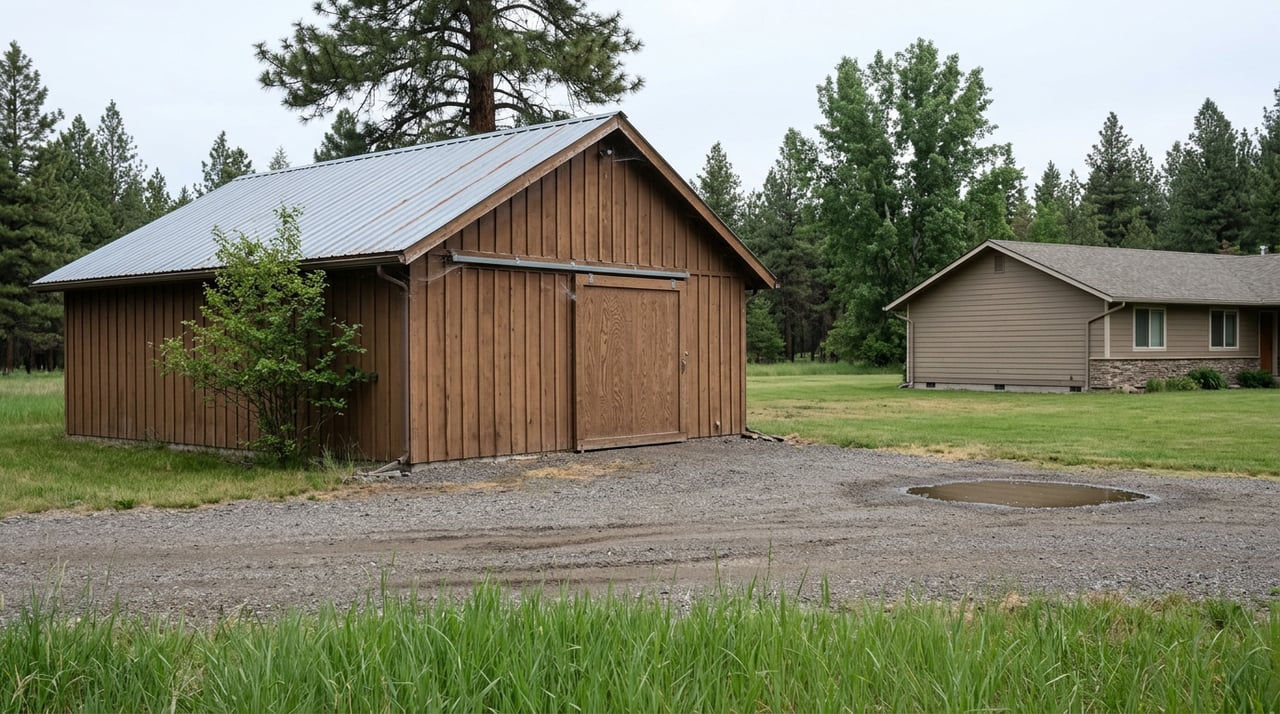
In Asotin County, the Septic System Decides What You Can Actually Buy
September 10, 2026
September 10, 2026
A homebuyer stands on a rise above the Snake River, thirty miles from Anatone or a few minutes outside the city of Asotin, and does what almost everyone does the first time they see acreage: they picture where the house sits, where the shop goes, maybe where a second building might rise someday. What almost no one pictures, according to Asotin County officials who have spent careers walking that same ground, is the ten-by-ten patch of soil that actually decides whether any of it is legal to build.
That patch is the drain field. And in Asotin County, roughly 60% of the population lives on a private on-site sewage system rather than a municipal sewer line, which means for most rural buyers here, the septic system isn't a footnote to the purchase. It's the gate the whole purchase has to walk through.
County officials have said it plainly for years: a well cannot be dug within 100 feet of a drain field. That single setback rule, paired with soil quality and slope, is what actually determines how much of a parcel is buildable, not the acreage total on the listing sheet. Asotin County environmental health staff have pointed to areas like Quailridge and Quailwood near the golf course, and to the country around Anatone, as places where the view sells the buyer before the soil has been checked. A twenty-acre parcel can have exactly one small patch flat enough, deep enough, and far enough from the well to hold a legal system, with everything else effectively off-limits for a house pad or a second structure.
The county's own building and health departments treat this as sequential, not optional. A building permit doesn't get issued until a septic permit does, which means the sewage question comes before the construction question, not after it.
Asotin County's on-site sewage system code, the document that governs every septic permit, inspection, and installer license in the county, sets siting and setback standards under state code and gives the county health district authority to fine, suspend, or revoke installer certifications for noncompliance. It's a technical document, but one line from it is worth sitting with:
"OSS" means an on-site sewage system as defined in state code.
Behind that dry definition is a real shift in how the county treats septic at the point of sale. Health district staff have described the update as the first meaningful rewrite of the county's sewage rules since 1988, driven by two problems showing up in the field: undersized lots without clear standards for whether a septic system belongs there at all, and homes that were permitted decades ago for one or two bedrooms that have since grown to four or five without anyone re-evaluating whether the original tank and drain field can handle that load. The fix included specific standards for lots under 12,500 square feet and, for the first time, a requirement that a homeowner selling a property with a septic tank have that system inspected for the buyer as part of the transaction.
That last part is the one that changes how a closing actually runs.
Before this update, a septic system in Asotin County could ride through a sale on the strength of the seller's disclosure statement alone, the same general Washington disclosure obligation that applies to any home sale in the state. Now, a point-of-sale inspection is part of the process for properties with septic tanks. Most licensed pumpers can perform it, and county staff have described it as one more step, not a barrier, meant to confirm the system is actually operating the way the paperwork says it is.
For a seller, that means scheduling the inspection early rather than waiting for a buyer's request to surface it midway through escrow. For a buyer, it means the inspection record, along with any drainfield map on file with the health district, is worth asking for before an offer goes in, not after.
The buyers most exposed to this are the ones Asotin County's rural land actually attracts: people drawn to acreage, a shop building, room for horses or a garden, the kind of property that shows up in local listings with hay sheds and RV hookups and unobstructed river views. None of that changes the sequence. Before writing an offer on raw or lightly developed land, or on an older home that's been added onto over the years, it's worth doing three things:
This same instinct travels well for anyone comparing land on both sides of the state line, since well and septic rules are set at the county level in both Idaho and Washington. The specific numbers differ, but the habit of checking before you write is the same one that saves a deal from unraveling during inspection week.
The county's process for a new or replacement system runs through the health district for design review and installer sign-off before final approval, and each of those steps takes real calendar time. A buyer who assumes a septic system is a paperwork formality, similar to a smoke detector disclosure, tends to be the same buyer surprised when a repair or replacement adds weeks to a closing they expected to move quickly. Building that time into the offer, rather than discovering it during due diligence, is what keeps a rural purchase in Asotin County on schedule.
None of this is a reason to avoid acreage here. It's a reason to ask the right question first. The land with river views near Anatone, the older farmhouse outside town that's been added onto twice, the twenty acres that look wide open on a map, all of it can still be exactly right. The septic system is just the thing that decides how, not whether.
If you're weighing a rural purchase in Asotin County, or getting ready to sell a property that's been on the same septic system for years, Kiley Waldemarson can walk through what the county's health district will actually ask for before you write an offer or list a home, and can get you a free home valuation to see where your property stands today.
Stay up to date on the latest real estate trends.
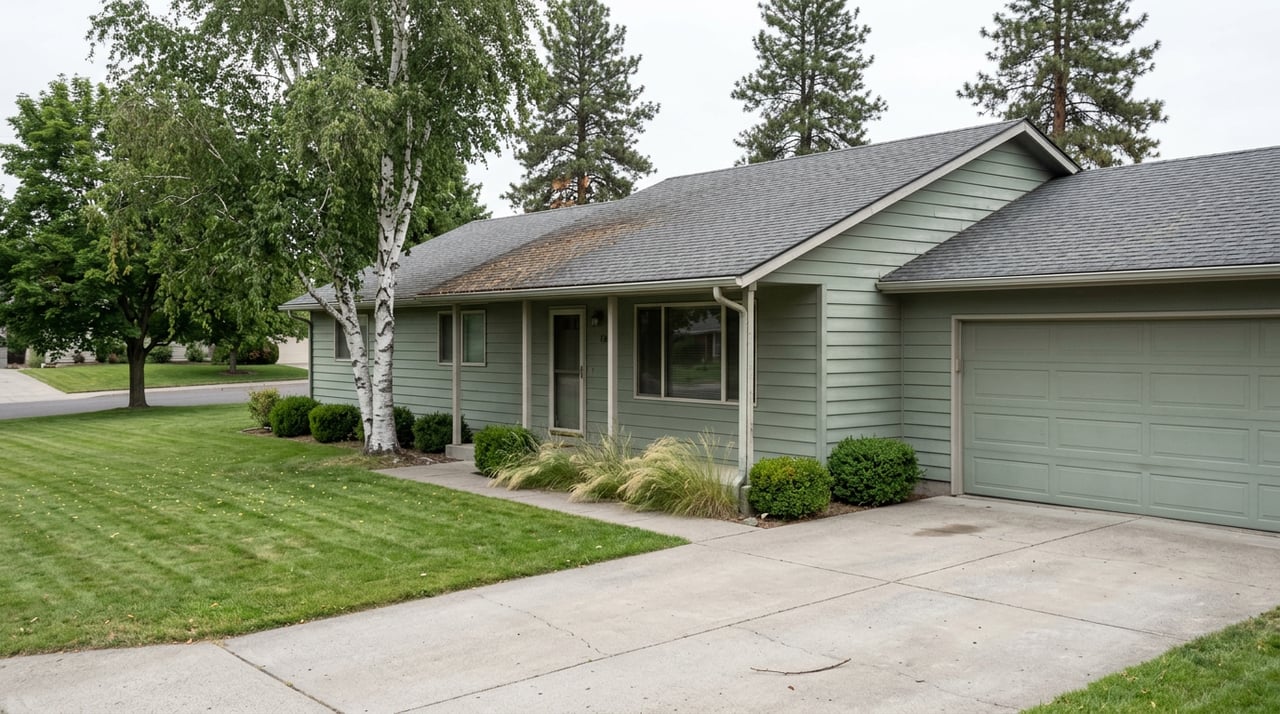
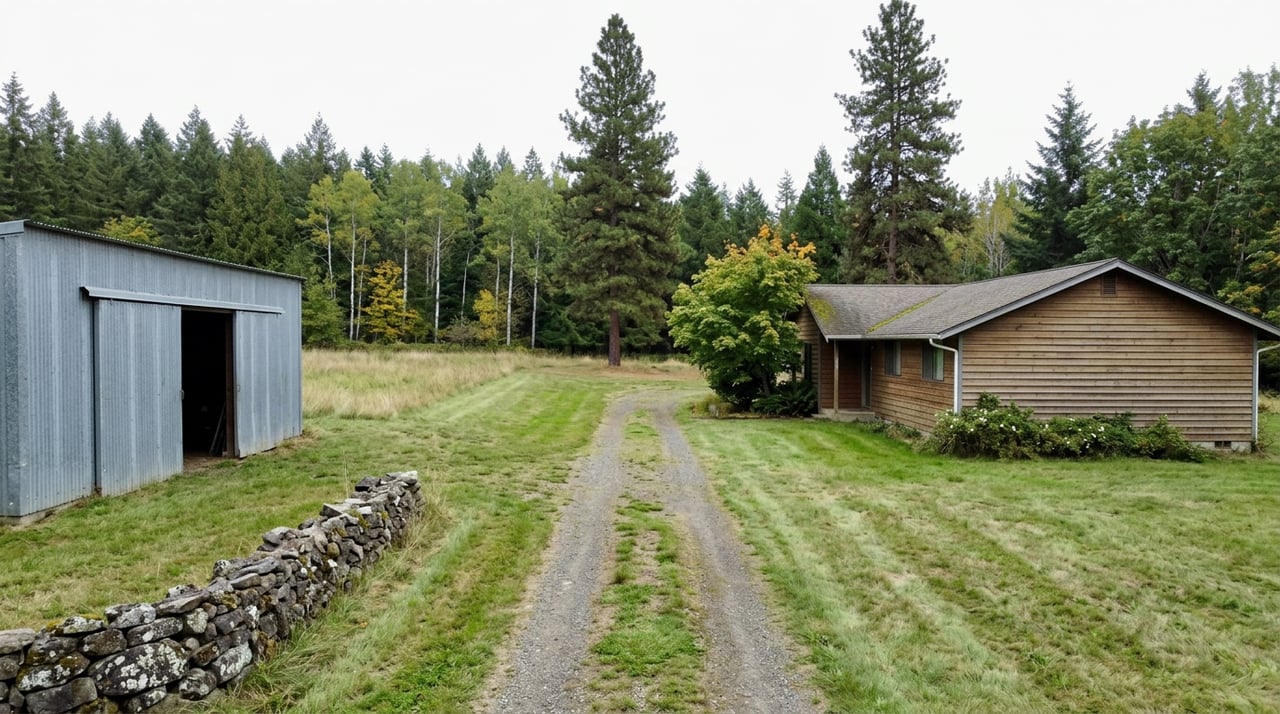
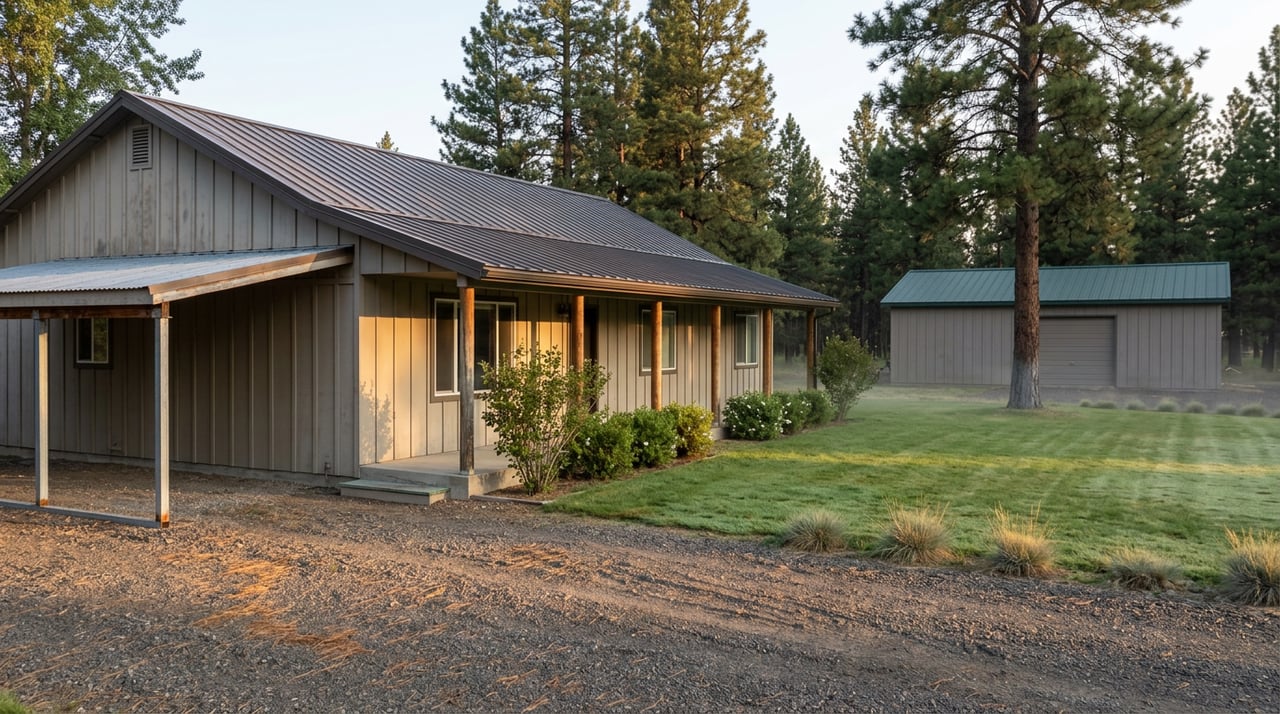

I am committed to guiding you every step of the way—whether you're buying a home, selling a property, or securing a mortgage. Whatever your needs, I've got you covered.
909 Bryden Ave Lewiston, ID 83501